
Ensuring a Secure and Compliant Jobsite
Construction Safety Audit
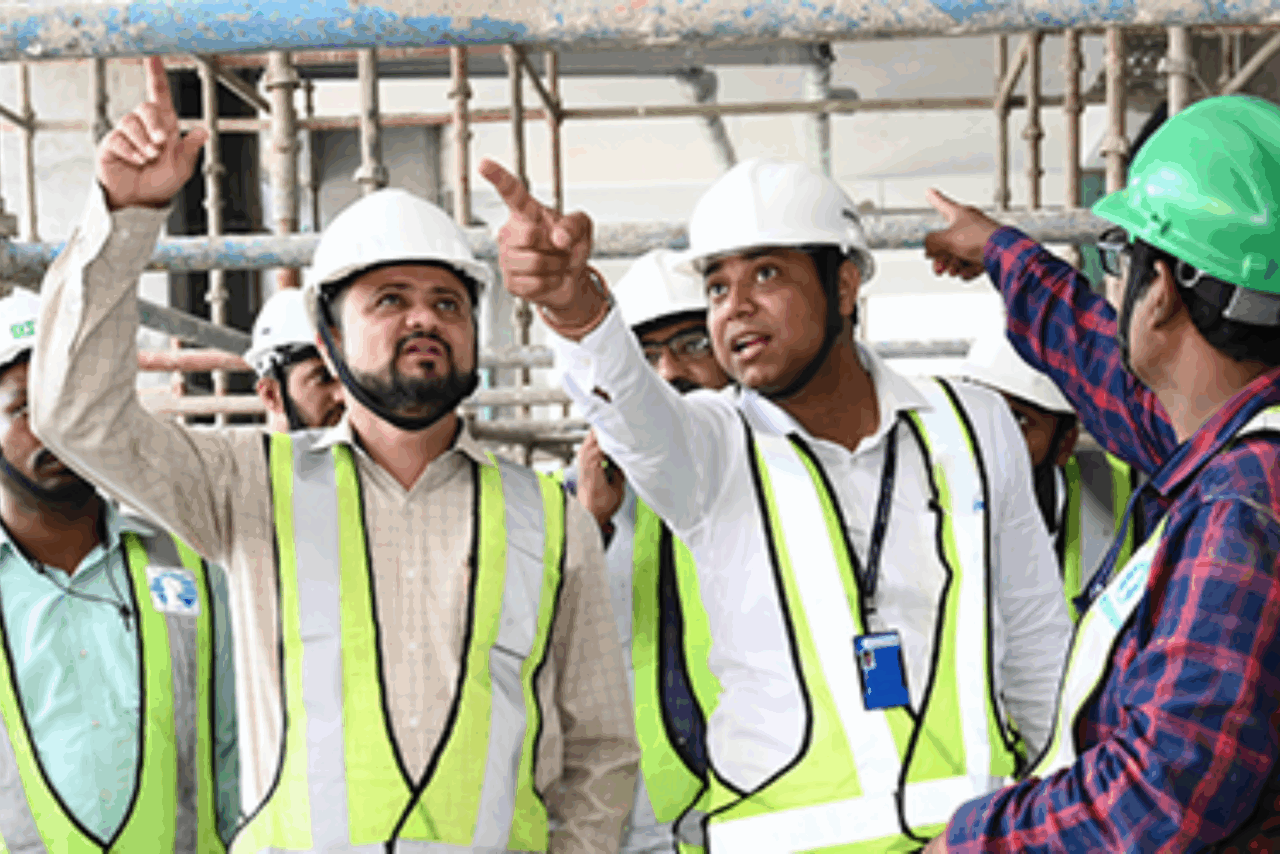
Construction sites, by their very nature, present a complex web of potential hazards. A meticulous construction safety audit is not just a regulatory requirement, but a fundamental pillar for safeguarding workers and ensuring project continuity.
What is a Construction Safety audit?
A construction safety audit is a systematic and documented evaluation of a construction site to identify existing and potential hazards, assess compliance with safety regulations, and verify the effective implementation of safety protocols. It’s a proactive approach to preventing accidents and fostering a culture of safety.
During Construction Safety Audits are Carried Out Covering:
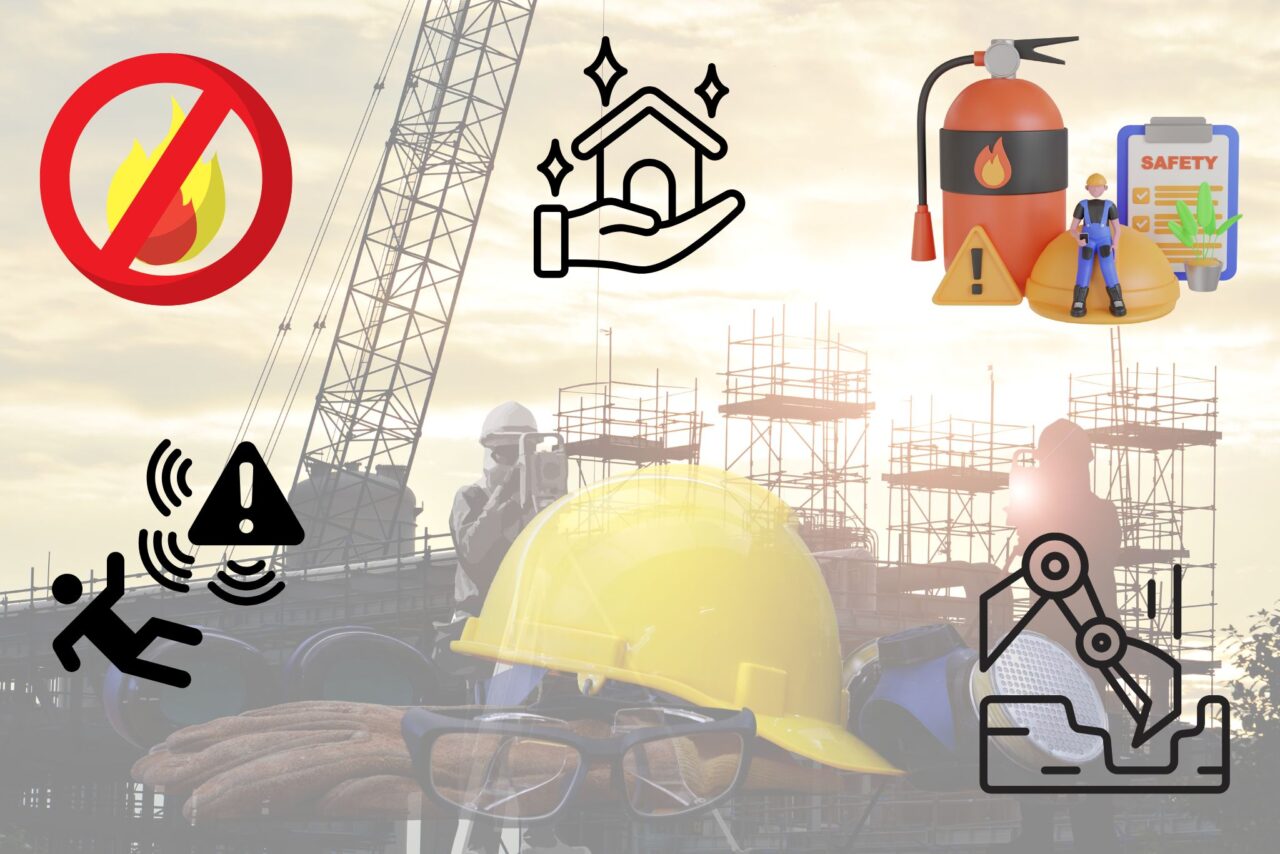
A comprehensive construction safety Audit leaves no stone unturned, meticulously examining a wide array of factors:
- Personal Protective Equipment (PPE) Compliance
- Fall Protection Systems
- Electrical Hazard
- Excavation and Trenching Safety
- Material Handling and Storage Protocols
- Fire Prevention
- Equipment and Machinery Safety
- Site Housekeeping and Organization
- Emergency Preparedness and Response
- Regulatory Compliance and Documentation
Benefits of Regular Construction Safety Audit:
- Minimizing Accidents and Injuries: Proactive hazard identification significantly reduces the risk of workplace accidents.
- Boosting Worker Morale: A safe work environment fosters confidence and productivity.
- Preventing Costly Project Delays: Accidents and injuries can lead to significant project delays and financial losses.
- Reducing Insurance Costs: A strong safety record can lead to lower insurance premiums.
- Enhancing Company Reputation: A commitment to safety enhances a company’s image and credibility.
- Ensuring Legal Compliance: Regular inspections prevent costly fines and legal repercussions.
Health Safety and Environment Auditing Services
Importance of conducting HSE Audit at construction site.
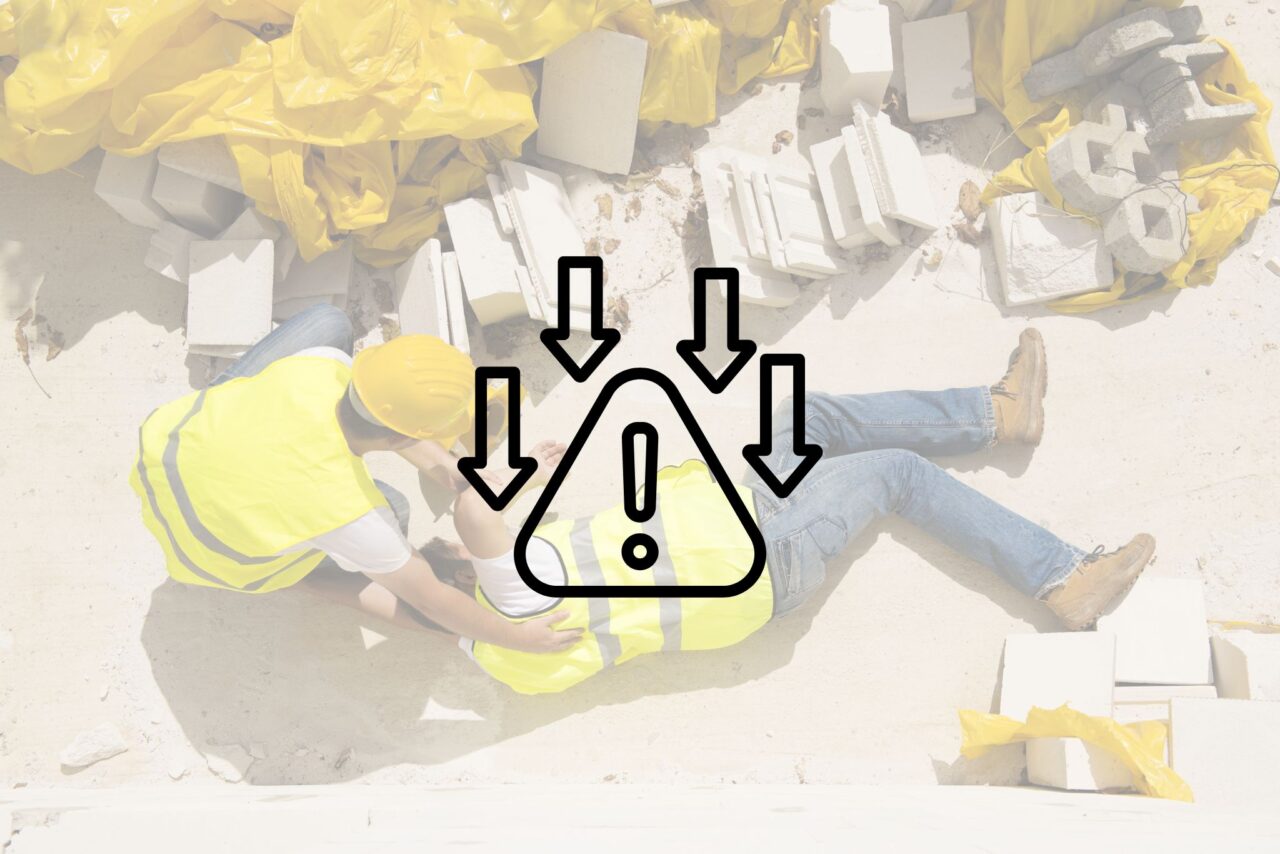
Conducting HSE audit at construction site is paramount to ensuring the well-being of workers and the overall success of the project. The audit systematically assesses adherence to safety protocols, identifying potential hazards and mitigating risks. Regular audits promote a culture of safety, fostering a proactive approach to preventing accidents. Ultimately, prioritizing health and safety through audit not only safeguards personnel but also enhances project efficiency and reputation.
 HSE Audit is conducted as per IS 14489:2018. IS 14489:2018 is the code of practice on Occupational Safety and Health Audit. The standard establishes Audit objectives, criteria, and practices and provides guidelines for establishing, planning, conducting, and documenting audits on occupational safety and health systems at the workplace.
CQRA is carrying out regular Construction HSE Audits for Residential, Commercial, Industrial and Infrastructure projects.
Benefits
- A construction safety audit helps identify potential hazards and risks on the construction site. By proactively identifying these risks, steps can be taken to prevent accidents and injuries, ensuring a safer working environment for all workers.
- Conducting a regular audit ensures that the construction site complies with local and national safety regulations. This not only helps in avoiding legal issues and penalties but also fosters a culture of adherence to safety standards among the construction team.
- A safe working environment boosts employee morale and contributes to higher productivity. When workers feel secure in their workplace, they are more likely to focus on their tasks without the distraction or worry of potential safety hazards.
- HSE audit can lead to cost savings by preventing accidents and injuries. By identifying and addressing potential risks early on, the construction project is less likely to face unexpected costs associated with medical expenses, legal liabilities, and project delays.
- HSE audit is not just about identifying current issues but also about implementing improvements. Regular audits encourage a culture of continuous improvement, where feedback from audit is used to enhance safety procedures, training programs, and overall safety management systems on the construction site.
The focus of the HSE audit is
- Ensuring a comprehensive HSE plan is in place.
- Verifying the existence and effectiveness of an emergency response plan for various potential incidents.
- Checking the accessibility and availability of safe entry and exit points on the construction site.
- Verifying the implementation of measures to prevent falls, including guardrails, safety nets, and personal fall arrest systems.
- Ensuring safe electrical practices, including proper wiring, grounding, and the use of electrical safety equipment.
- Confirming that safety records and documentation are up-to-date and accessible.
- Ensuring that operators of heavy machinery are trained, and equipment is well-maintained with safety features in place.
- Verifying the availability of first aid kits, trained personnel, and emergency medical response plans.
- Ensuring thorough risk assessments are conducted regularly.
- Checking the presence and visibility of safety signs, warnings, and instructions across the construction site.
- Checking whether workers are adequately trained in safety procedures and are aware of potential hazards on the construction site.
- Ensuring proper disposal of construction waste.
- Ensuring proper storage and handling of hazardous materials.
- Confirming fire safety measures, including extinguishers and alarms
- Ensuring that workers are using appropriate PPE such as helmets, gloves, safety shoes, and reflective jacket.
- To check and review various legal documents which must be maintained by any organization.